
Walked Streets. Observatory of citizen science in motion
Observatory of citizen science in motion
TURBA'S PRINCIPAL INVESTIGATOR/S
Summary
The project aims to create a citizen science Observatory on pedestrian mobility to inform the design and evaluation of urban policies. To this end, a pilot program will be implemented in five Barcelona neighborhoods recently pedestrianized through superblocks and green axes, with the intent of scaling to other Spanish and European cities.
The methodology is structured around knowledge co-creation workshops grounded in citizens’ real-world experiences as they navigate public space. Its goal is to analyze how the interaction between objective factors (urban design, environmental, infrastructure) and subjective factors (perceptions, habits, memories) influences pedestrian behavior in pedestrianized zones. The proposal combines quantitative techniques (GPS, spatial analysis, surveys) and qualitative methods (adapted mobile interviews and group discussions), designed to identify the mobility preferences of a diverse population. Target participants include adults across different genders, ages, backgrounds, and income levels, as well as visually impaired individuals, groups typically underrepresented in technical and scientific research settings.
By systematizing the collected data, the project will enable an integrated analysis of both the quantitative and qualitative dimensions of urban walking. These findings will populate an open-access database feeding the Observatory’s platform, serving as a benchmark repository for participatory research and sustainable mobility policymaking. This infrastructure will allow urban planners to monitor public space usage patterns and integrate scientific evidence derived from citizen experience into the design, evaluation, and fine-tuning of pedestrianization interventions, ensuring that generated knowledge directly benefits both citizens and their immediate urban environments.
Related projects
Harnessing Agricultural Renewal via Voice, Engagement, Storytelling and Transformation
Farming in Europe is essential but undervalued and misunderstood. Previous research has addressed innovation, resilience, and community engagement;…
Citizen science in motion. Navigation strategies of sighted and visually impaired people in traffic-calmed environments.
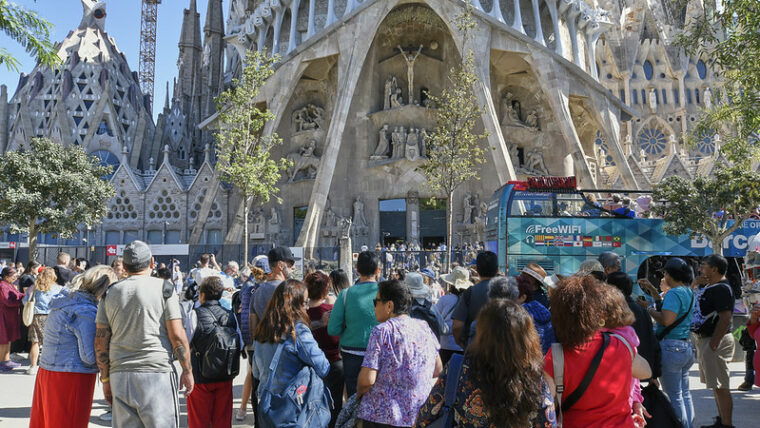
Citizen science and urban heritage: Participatory mapping on the impact of tourism around the Sagrada Família
Citizen Science Step-by-Step: Navigation strategies and pedestrian trajectories in traffic-calmed areas (2nd Edition)
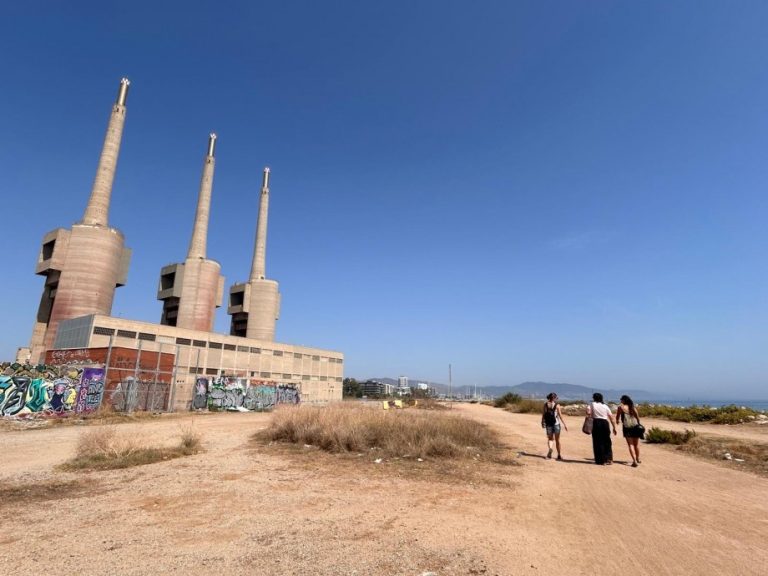
Walking the Territory: Reconnecting Human and More-than-Human Relations in the Besòs River Delta
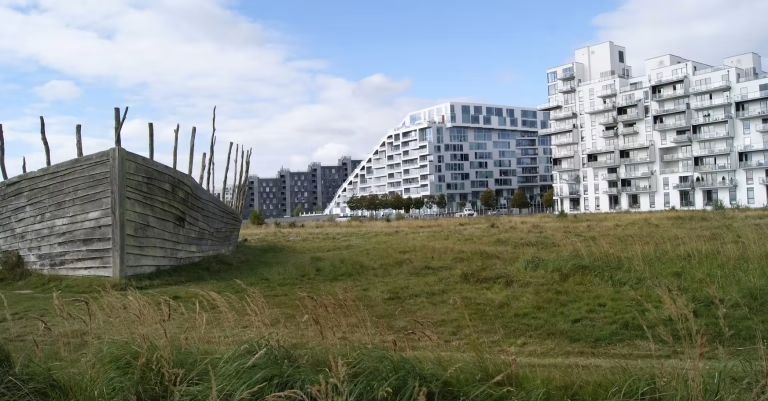
Socio-ecological reshaping of European Cities and Metropolitan Areas
With our early-career network we address pressing societal challenges of living and ecology in urban agglomerations. Societies in…

WELLCOM. Commoning Wellbeing in Barcelona Urban Gardens: Characterization and Assessment
European Performing Science Program (EPSP)
AIGÜES: Arte, Inclusividad y Gobernanza del agUa: Escenarios Sensibles
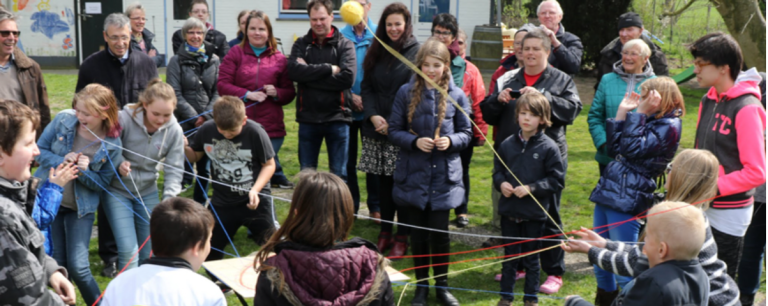
A Rounder Sense of Purpose II – RSPII
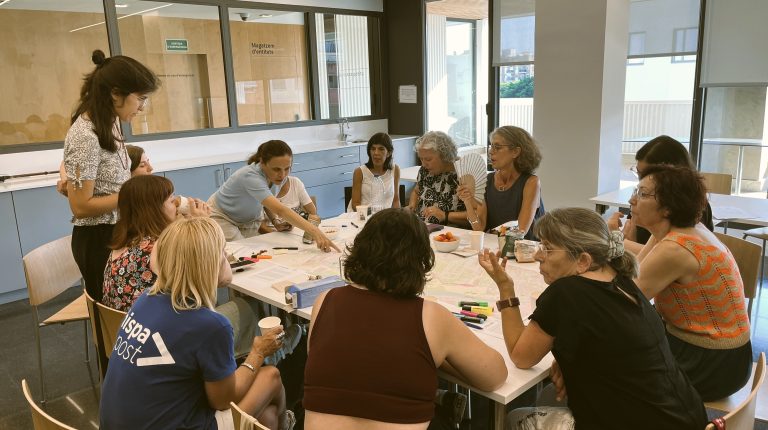
GINA: Gender-Inclusive Adaptation. Understanding the effects of climate gentrification

Citizen science Step-by-step: pedestrian navigation strategies and everyday routes in traffic-calmed areas (1st Edition)